Chair of trustees
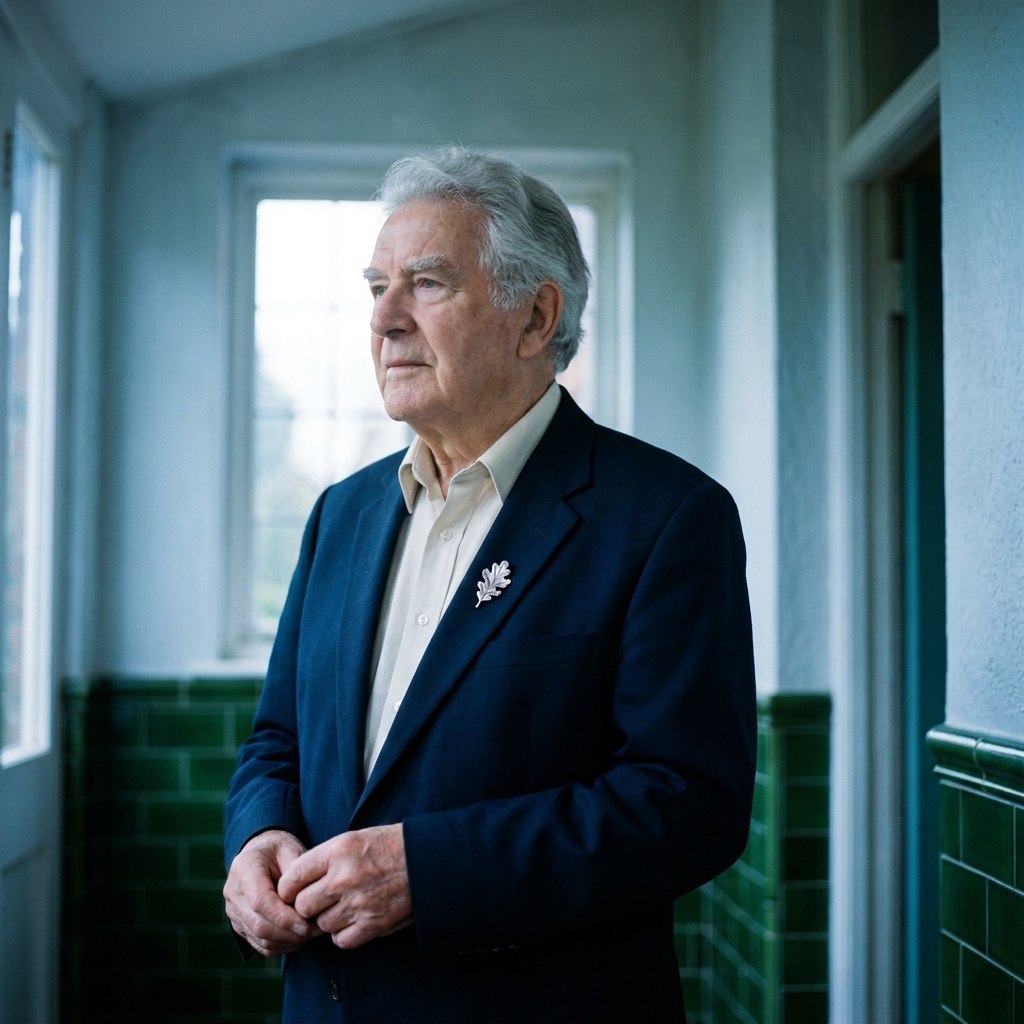
Alan James Wilson Langton BEM BA
A trustee since 1998 and chair since 2011. A retired comprehensive-school head who has lived on the parish boundary for forty years.
About the trust
Arnold Relief in Need was registered with the Charity Commission on 11 March 1964. The registration brought together several smaller relief charities of the ancient parish of Arnold — some of them with histories stretching back to the Victorian period and earlier — into a single working trust with one set of trustees, one bank account, and one steady method.
The parish of Arnold has always had relief funds of one kind or another. There are entries in the vestry minutes of St Mary the Virgin going back to the 1730s recording bread doles at Easter and small payments to widows whose husbands had died in the framework-knitting trade. Through the nineteenth century these small funds proliferated — a coal fund here, a clothing fund there, a parish almsbox at the church door — each one well-meaning, each one a little too small to do much on its own, and each one administered by people who did not always know the others existed.
By the middle of the twentieth century the case for putting them under one roof had become obvious. The Charities Act 1960 had opened a tidier route to the amalgamation of small parish trusts, and over the early 1960s the trustees of several of these funds — supported by the parochial church council of St Mary's and the local councillors of what was then Arnold Urban District — agreed to apply jointly to the Charity Commission for registration as a single body. That registration was granted, with a standard governing instrument, on 11 March 1964. The constituent funds remain on the Commission's register as linked subsidiary charities of the parent trust.
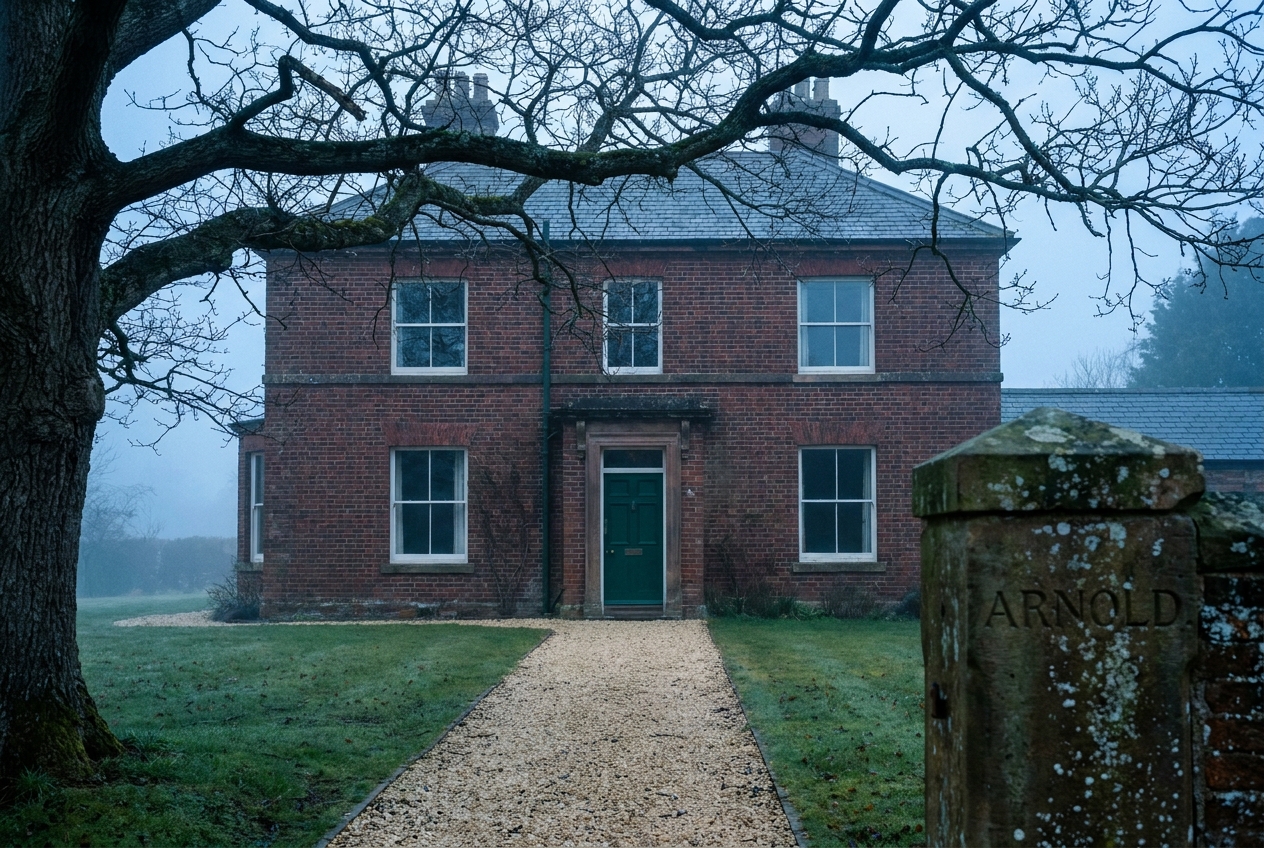
Six decades on, the working method has not changed. The trustees meet four times a year at Arnot Hill House — once in each season — to review applications, look at the books, and decide on a small handful of larger grants. Between meetings, the chair and two co-trustees hold a standing authority to make small discretionary grants in response to urgent need. Almost every grant we make is suggested by someone who knows the household: a parish welfare worker, a school welfare lead, a district nurse, a churchwarden, a neighbour with a sharp eye. We rarely advertise. We have never run a national campaign. We have never employed a member of staff. We do not intend to.
We are bound, by our governing document, to the ancient parish of Arnold — the historic ecclesiastical parish, not the modern town. The boundary takes in the streets around St Mary's, the older terraces of Daybrook and Redhill, the post-war estates of Killisick and Woodthorpe, and the village of Bestwood at the parish edge. If we cannot help a household — because they live outside the boundary, because the case is too big for us, because we have given them a grant from the same fund within the last twelve months — we say so plainly, and we try to point them to someone who can.
A short timeline
The trust does not keep an elaborate archive — most of our internal records sit in two grey filing cabinets at Arnot Hill House — but the following milestones can be matched to entries in our trustee minute book and to the parish records held at Nottinghamshire Archives.
11 March 1964
Registration with the Charity Commission as number 220057, bringing several older parish relief funds together under one set of trustees and a single governing document.
1971
Following a cold January and rising heating-oil costs, the trustees agreed a standing scheme to make small named winter grants to households flagged by district nurses and parish workers. The format — a folded letter, a quiet doorstep delivery — has not changed.
1985
Ninety hampers delivered to families in the week before Christmas, in partnership with the Mothers' Union at St Mary's. The number has stayed the same for forty years.
1996
A late-summer school-uniform grant of (then) £40 per child, paid to families with children entering the parish primaries and the two parish secondaries. The grant is now £120.
2008
A standing register of trustee interests is maintained from this year on. The current policy is filed annually with the Charity Commission.
2014
A fortnightly visiting round agreed with the parish welfare team, starting with six older neighbours in Killisick and Daybrook. Sixty-four neighbours are visited today.
2020
During the pandemic the trustees deliberately held funds back from the early-spring grant round, releasing them in the harder winter that followed. Two more constituent funds were merged into the parent trust in the same year.
2023
A small discretionary fund for emergency household repairs — a boiler, a cooker, a fridge — added after the trustees noticed how often the Winter Doorstep applications mentioned the same broken appliance.
2026
This site, arnoldreliefinneed.org, is published in the trust's sixty-third year. It is, the trustees note, considerably overdue.
The nine trustees
The trustees of Arnold Relief in Need are listed on the public Charity Commission register. Four of the senior trustees are introduced below in the order of their appointment to the current board. Brief biographies are written by the trustees themselves and are not, deliberately, exhaustive.
Chair of trustees
A trustee since 1998 and chair since 2011. A retired comprehensive-school head who has lived on the parish boundary for forty years.
Trustee · Honorary treasurer
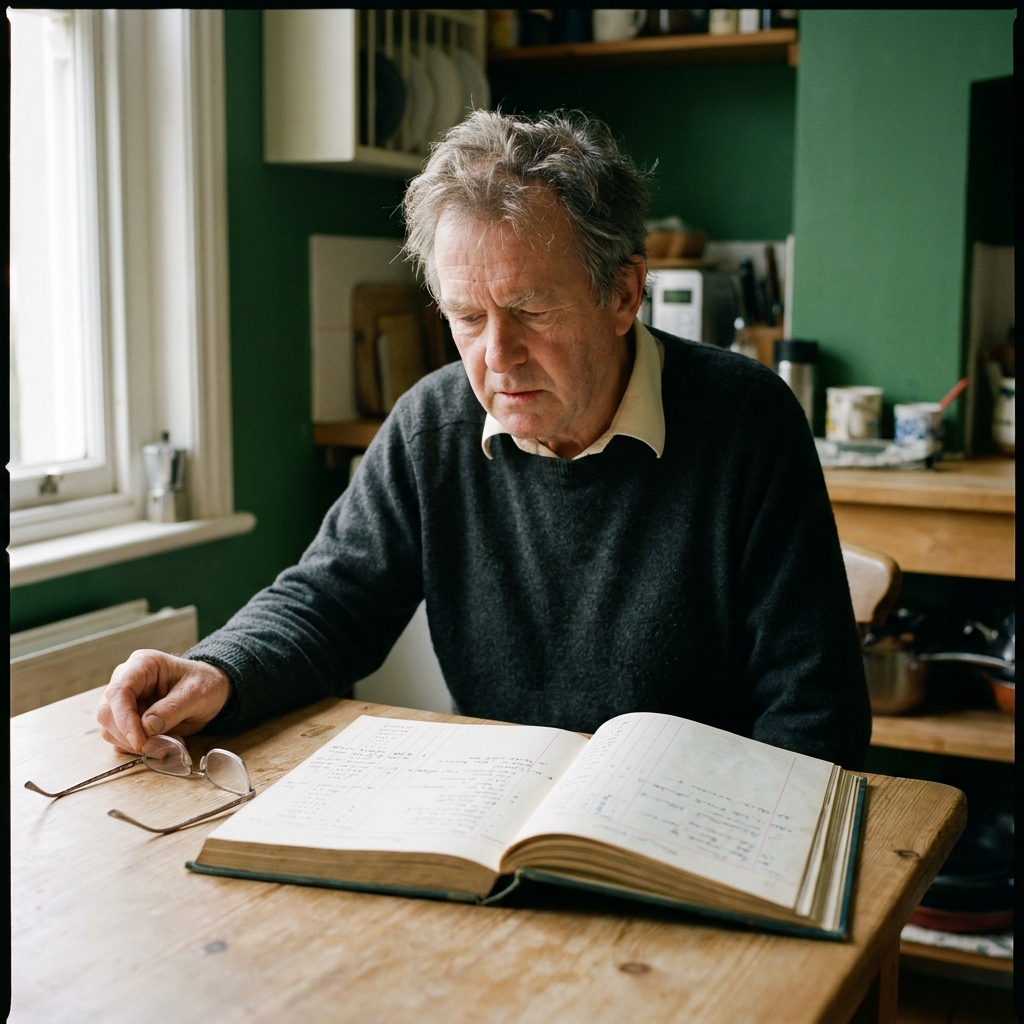
A trustee since 2006 and the trust's honorary treasurer since 2014. A semi-retired chartered accountant who walks the linked-charity accounts through their annual return.
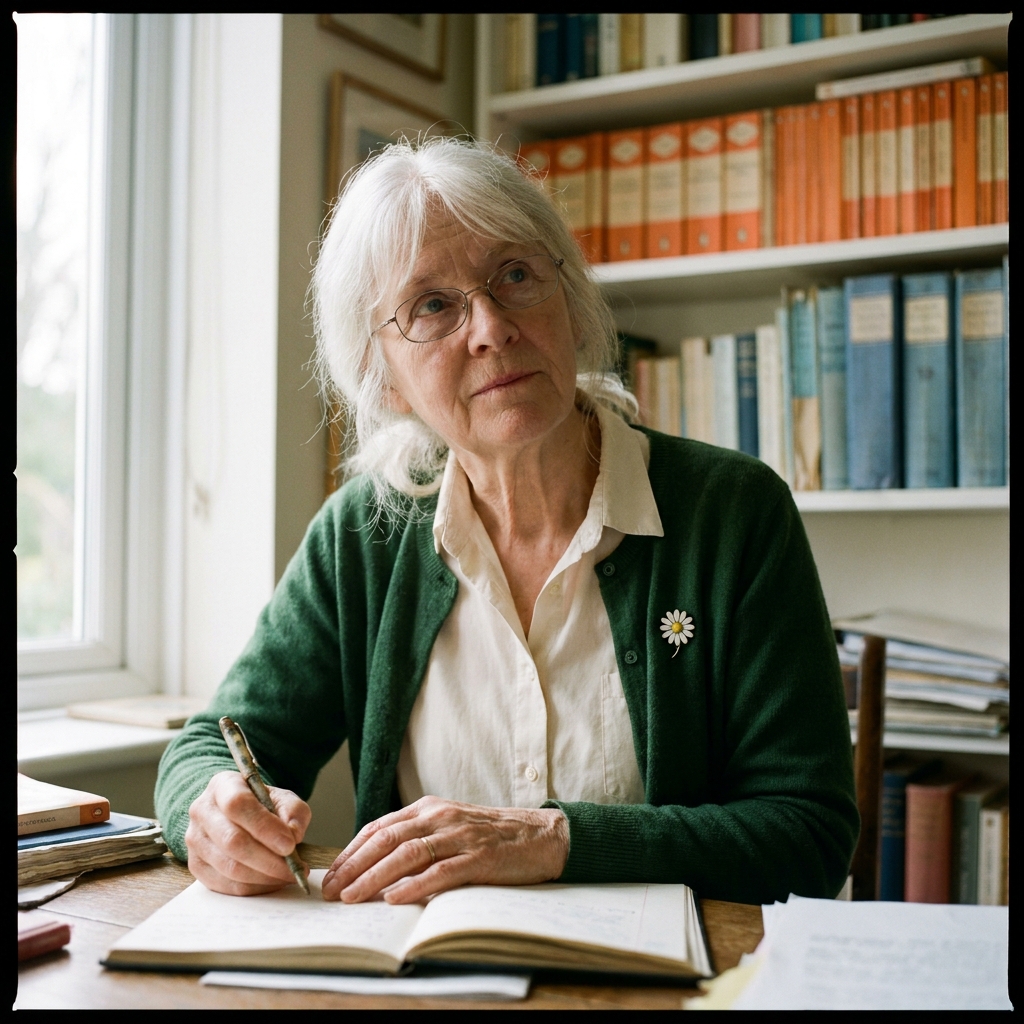
Trustee · Honorary secretary
A trustee since 2010 and the honorary secretary since 2019. A former district nurse who chairs the trust's grants subcommittee.
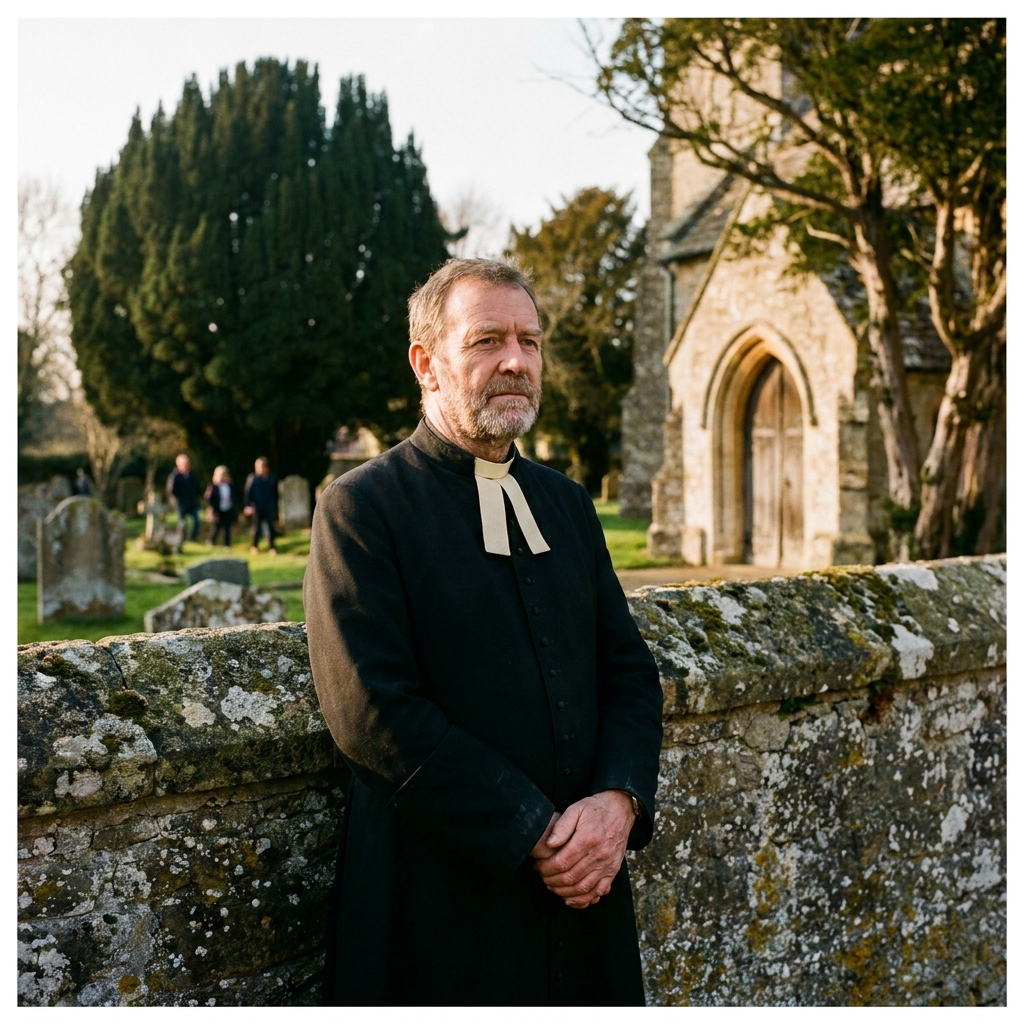
Trustee · Ex officio
The trustee appointed ex officio by the parochial church council of St Mary the Virgin, Arnold. He sits on the Wassail Fund subcommittee.
The full board
Together with the four senior trustees above, the working board comprises Marjorie Irene Paling, Christopher Michael Bolton, Robert Pearson, Graham Roger Bennett and Stella Maria Lane. All nine are listed publicly on the Charity Commission register.
Appointment
Trustees are appointed for renewable three-year terms by the existing board, on the advice of the parochial church council. No trustee is paid for their service. Out-of-pocket travel within the parish is reimbursed at the standard HMRC mileage rate.
How we govern ourselves
We are a small charity, but we hold ourselves to the same standards of trustee conduct, conflict management and financial oversight that the Charity Commission expects of much larger bodies. The trustees believe this is the minimum we owe to the parish that supports us.
Quarterly meetings
Held at Arnot Hill House, with minutes filed in our public minute book. All grants of £250 and above are taken at a quarterly meeting; smaller grants are taken under the standing authority of the chair plus two co-trustees.
Standing policies
A conflict-of-interest register is maintained and signed annually. A written investment policy governs the small reserve fund held in linked accounts. Both are filed with the Charity Commission and are available on request.
Safeguarding
All befrienders carry a current DBS check. Lone visiting is paired wherever possible. The named safeguarding trustee is The Revd Phillip Williams. Concerns are escalated within twenty-four hours.
Latest accounts
A summary of the trust's latest filed return. The full accounts are available, free, on the Charity Commission register. We file on time, every year, and have done since 1964.
View on Charity CommissionTotal income
£37
A deliberately quiet year on the parent fund. The working capital across our linked constituent charities is held in separate accounts.
Total expenditure
£0
Reserves were carried over into the current Winter Doorstep round. The forward-looking budget for 2026 is £14,400.
Trustees
9
All unpaid, with no trustee receiving any benefit from the charity beyond reimbursed travel expenses.
Reporting
On time, every year, since 1964.
The Charity Commission records the trust as reporting up to date.